The Mediterranean diet: what a proper one is, what the evidence shows, and how to eat it in Doha
What a proper Mediterranean diet consists of, how researchers score it, what trials and long-term studies show for heart, diabetes and weight, and how to eat it in Doha.
Nutrition By DohaFit Editorial · Last updated · 18 min read

In this article
“Mediterranean” is printed on pizza boxes, pasta sauces and restaurant menus. The diet that researchers have studied is something more specific, and plainer. This guide sets out what a proper Mediterranean diet consists of, what the trials and long-term studies show and in whom, and how to eat this way in Doha, where a good part of the local table already fits.
This article is general information, not medical advice. A diet is not a treatment. Talk to your doctor or dietitian before changing how you eat to manage a health condition, especially if you take medicines for diabetes or blood pressure, take anticoagulants (blood thinners), have kidney disease, or are pregnant.
What the Mediterranean diet is
The reference point is the food pattern typical of Crete, much of the rest of Greece and southern Italy in the early 1960s. At that time, adult life expectancy there was among the highest in the world and rates of coronary heart disease were among the lowest. The researchers who described it in 1995 listed its features:
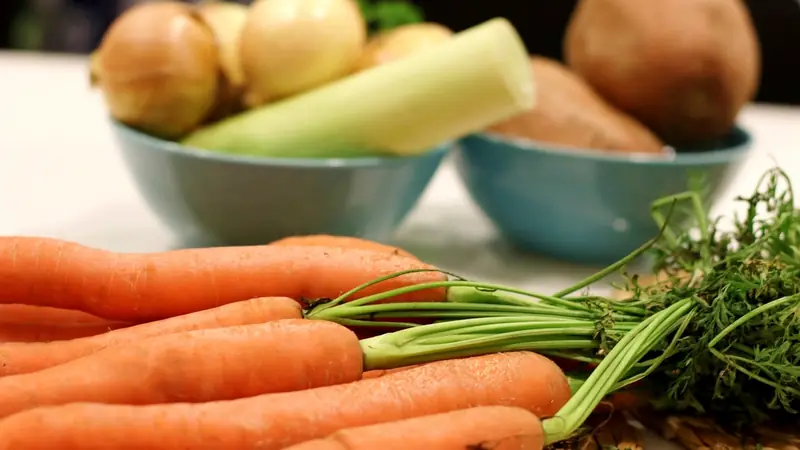
- abundant plant foods: fruit, vegetables, bread and other cereals, potatoes, beans, nuts and seeds
- fresh fruit as the usual daily dessert
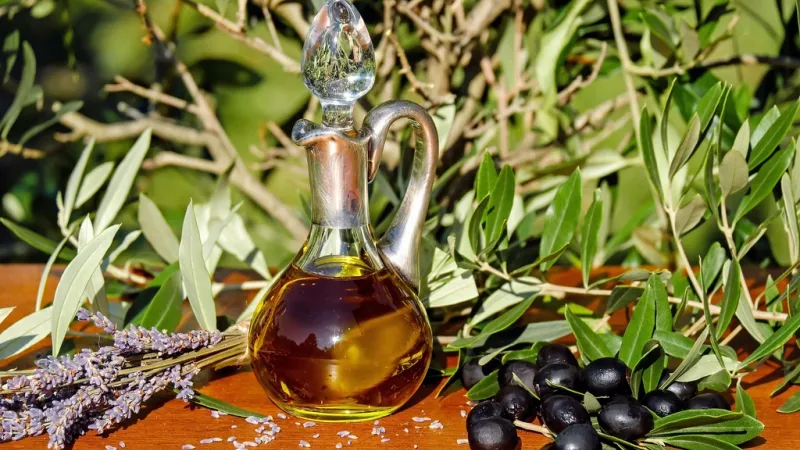
- olive oil as the principal source of fat
- cheese and yoghurt, fish and poultry in low to moderate amounts
- zero to four eggs a week
- red meat in low amounts
- wine in low to moderate amounts, normally with meals (more on this below)
Two points are easy to miss. The same paper notes that people then did physical work in the field or kitchen and had low rates of obesity. And there is no single official version: the American Heart Association calls it a generic term for the traditional eating habits of countries bordering the Mediterranean Sea, and says “There’s not one standard Mediterranean diet.”
It is also more than a food list. In 2013 UNESCO added the Mediterranean diet to its list of intangible cultural heritage for Cyprus, Croatia, Spain, Greece, Italy, Morocco and Portugal. Its description covers skills and traditions from growing and fishing to cooking, and says that “Eating together is the foundation of the cultural identity and continuity of communities”.
How researchers score it
Because there is no single version, studies use scores.
- The Trichopoulou score. A Greek research group built a scale running from 0 to 9. Its nine components are high intake of vegetables, of fruit and nuts, of legumes, of cereals, and of fish; a high ratio of monounsaturated to saturated fat; low intake of meat and of dairy products; and moderate alcohol.
- MEDAS, the 14-point screener. The Spanish PREDIMED trial used a 14-question checklist, with one point per question. It is the most practical way to see what “proper” means, so here it is in full, from the published questionnaire.
| What you eat | One point if |
|---|---|
| Olive oil as the main cooking fat | Yes |
| Olive oil in a day, including cooking and salads | 4 tablespoons or more |
| Vegetables (a serving is 200 g) | 2 or more servings a day, at least one raw or as salad |
| Fruit, including natural juice | 3 or more a day |
| Red meat, burgers, sausages and other meat products (a serving is 100 to 150 g) | Less than 1 serving a day |
| Butter, margarine or cream (a serving is 12 g) | Less than 1 serving a day |
| Sweet or fizzy drinks | Less than 1 a day |
| Wine | 7 or more glasses a week |
| Legumes such as beans, lentils and chickpeas (a serving is 150 g) | 3 or more servings a week |
| Fish or shellfish (a serving is 100 to 150 g of fish) | 3 or more servings a week |
| Shop-bought (not homemade) sweets and pastries, such as cakes and biscuits | Fewer than 3 times a week |
| Nuts, including peanuts (a serving is 30 g) | 3 or more servings a week |
| Chicken, turkey or rabbit chosen in preference to veal, pork, burgers or sausages | Yes |
| Vegetables, pasta, rice or other dishes with sofrito, a sauce of tomato and onion, leek or garlic simmered in olive oil | 2 or more times a week |
The cut-offs were chosen for older Spanish adults in a research study. They are not official targets for everyone, and the olive oil amount is high: see “swap, don’t add” in our extra virgin olive oil guide. The wine item is not advice to drink; see the alcohol section below.
What a day can look like
This is our own illustration, built from the checklist above. It is not a menu tested in a trial.
- Breakfast: plain yoghurt or labneh with tomato, cucumber and olive oil, wholegrain bread, a piece of fruit.
- Lunch: lentil soup or a chickpea dish, a large salad dressed with olive oil, fruit.
- Dinner: grilled fish or chicken, vegetables cooked in olive oil with tomato, onion and garlic, a modest portion of grain, fruit.
- Between meals: a small handful of unsalted nuts.
What “proper” means: five common misreadings
It is not pizza and pasta. No item on the 14-point checklist gives a point for pizza. Pasta and rice appear on it only in the sofrito item, as one kind of dish that can carry the tomato and olive oil sauce. The British Heart Foundation’s version of the diet lists wholemeal bread, wholegrain pasta and brown rice among the foods to eat and white bread, pasta and rice among those to avoid, and describes a diet with minimal ultra-processed food, salt and added sugar.
It is not low-fat. Across the region, total fat ranged from under 25% to over 35% of calories. What was low was saturated fat, at 7 to 8% of calories or less. In PREDIMED and CORDIOPREV, the two largest trials below, a low-fat diet was the comparison.
It is not a licence for cheese and red meat. Dairy was eaten in low to moderate amounts, mainly as cheese and yoghurt, and red meat in low amounts. The checklist rewards less than one serving of red or processed meat a day and little butter or cream.
Olive oil is the main added fat. It replaces other fats; it is not poured on top of them. The British Heart Foundation puts it this way: olive oil is “used instead of saturated fats like butter, lard and ghee”.
Wine is not required. It is one point of 14. See the section on alcohol below.
What the evidence shows
Two kinds of study appear below. In a randomised trial, people are assigned a diet by chance, which is the fairest test of cause and effect. In an observational (cohort) study, researchers record what people choose to eat and follow them for years. People who eat this way may also exercise more, smoke less and earn more, so cohort results show a link, not proof.
Heart disease and stroke: the strongest evidence
PREDIMED (people at high risk, Spain). In the main trial, 7,447 people aged 55 to 80 at high cardiovascular risk, but without heart disease, were assigned to a Mediterranean diet with free extra virgin olive oil, a Mediterranean diet with free mixed nuts, or advice to reduce fat. After a median of 4.8 years, a heart attack, stroke or cardiovascular death had occurred in 3.8% of the olive oil group, 3.4% of the nut group and 4.4% of the control group. The hazard ratios were 0.69 and 0.72, or roughly 30% fewer events.
The trial has a history you should know. The 2013 paper was retracted and republished in 2018 after the authors found that some participants had not been properly randomised. Results were similar when the 1,588 participants whose assignment was known or suspected to have departed from the protocol were left out.
CORDIOPREV (people who already had heart disease, Spain). In this trial, 1,002 patients with coronary heart disease followed a Mediterranean diet or a low-fat diet for seven years. A major cardiovascular event occurred in 87 people in the Mediterranean group and 111 in the low-fat group, with hazard ratios of about 0.72 to 0.75 depending on the statistical model. Cautions: it was run at one hospital, 82.5% of the patients were men, no difference was found among the 175 women, and its funders included foundations linked to the olive oil sector.
Lyon Diet Heart Study (after a first heart attack, France). In this older trial, after a mean of 46 months there were 14 cardiac deaths or non-fatal heart attacks in the Mediterranean-type diet group against 44 in the comparison group. With so few events, read it as support for the later trials, not as a precise estimate.
The sceptical summary. A 2019 Cochrane review of 30 trials concluded there was “still some uncertainty”. It rated the PREDIMED evidence as low quality for deaths: little or no effect on cardiovascular deaths or deaths from any cause over 4.8 years. It found moderate-quality evidence that strokes fell with the PREDIMED diets, from 24 to 14 per 1,000 people. Compared with no or minimal advice, blood pressure fell by about 3 mmHg systolic and 2 mmHg diastolic, a modest change. The review said evidence in people with existing heart disease was scarce; it was written before CORDIOPREV reported.
Type 2 diabetes
- Prevention, trial evidence. Among 3,541 PREDIMED participants who did not have diabetes, the olive oil group had a 40% lower rate of new type 2 diabetes than the control group over a median of 4.1 years (hazard ratio 0.60). The result for the nut group (0.82) was not statistically significant. This was a subgroup analysis.
- Adding calorie reduction and exercise. In PREDIMED-Plus, 4,746 adults aged 55 to 75 who were overweight or obese and had metabolic syndrome were assigned to a Mediterranean diet with a planned cut of 600 kcal a day plus more physical activity, or to Mediterranean diet advice alone. Over a median of six years, new diabetes was 31% lower (a relative figure) in the first group. Diabetes was a secondary outcome of the trial. Diet, activity and modest weight loss together did more than the diet by itself. See our guide to exercise with type 2 diabetes.
- In people newly diagnosed. In an Italian trial of 215 overweight people with new type 2 diabetes, 44% of those on a Mediterranean-style diet needed diabetes medicine after four years, against 70% on a low-fat diet. The Mediterranean-style diet in this trial was also lower in carbohydrate, at less than 50% of calories.
- Cohorts. A pooled analysis of one trial and eight cohort studies (122,810 people) found a 19% lower risk of diabetes in those who followed the diet most closely.
Weight
The diet is not a weight-loss plan by design, and the results depend on calories.
- A meta-analysis of 16 randomised trials (3,436 participants) found a Mediterranean diet led to 1.75 kg more weight loss than control diets. The difference was 3.88 kg when calories were restricted and 4.01 kg when physical activity was added. No study reported significant weight gain.
- A review of five trials lasting a year or more in overweight or obese people found it produced more weight loss than low-fat diets but similar loss to other diets, such as low-carbohydrate.
- In PREDIMED, where calories were not restricted, body weight did not differ significantly between the groups after five years.
So a diet rich in olive oil and nuts did not cause weight gain in these trials, and it helps with weight loss mainly when you also eat less. For another approach to eating less, see our review of intermittent fasting.
Living longer
This evidence is observational. A meta-analysis of 29 cohort studies with 1,676,901 participants found that each two-point rise in a Mediterranean diet score went with a 10% lower risk of death from any cause. The link was stronger in studies from the Mediterranean region than elsewhere (18% against 8%). The authors themselves graded this as low-quality evidence.
In a US study of 25,315 initially healthy women followed for about 25 years, those with the highest scores had a 23% lower risk of death than those with the lowest. When other lifestyle factors were also adjusted for, the figure shrank to 11%, a sign of how much of such a link can come from the rest of a person’s habits. And as the Cochrane review notes, the PREDIMED trial did not show fewer deaths overall.
Cancer
A 2021 meta-analysis of 117 studies found that the highest adherence was linked with a 13% lower risk of dying from cancer, and with lower risks of colorectal cancer (17%) and breast cancer (6%). It found no link with blood, oesophageal, pancreatic or prostate cancer. The authors rated most comparisons as low or very low certainty.
The one trial result is small. Among 4,152 women in PREDIMED there were 35 cases of breast cancer, a secondary outcome, with fewer in the olive oil group (hazard ratio 0.32). The authors say this needs to be confirmed in larger and longer studies. Treat cancer prevention as possible, not proven.
Memory and dementia
Mixed. In a PREDIMED sub-study of 447 older volunteers in Barcelona, 334 were retested after a median of 4.1 years. The Mediterranean diet groups did better than the control group, whose scores declined, on some combined measures of memory and thinking, though not on most individual tests. But a systematic review of five trials found that only 8 of 66 cognitive test results significantly favoured the diet, and found no benefit for new cases of cognitive impairment or dementia.
Observationally, among 60,298 people in the UK Biobank followed for about nine years, the highest adherence went with a 23% lower risk of dementia on one score. On a second score the difference was not statistically significant.
Pregnancy
Two trials, both in higher-risk pregnancies. In the UK ESTEEM trial, 1,252 pregnant women with obesity, chronic high blood pressure or raised triglycerides were randomised to a Mediterranean-style diet or usual care. The main combined outcomes for mother and baby were not significantly reduced. The odds of gestational diabetes were 35% lower, and women gained less weight (6.8 kg against 8.3 kg).
In the IMPACT BCN trial in Barcelona, 14.0% of babies in the Mediterranean diet group were born small for their gestational age, against 21.9% with usual care. The authors call these findings preliminary and say they need to be repeated before the approach is recommended. Neither trial tells us about low-risk pregnancies.
The short version
| Outcome | Best evidence | How sure |
|---|---|---|
| Heart attack and stroke | Randomised trials in high-risk adults and heart patients | Moderate to good, in those groups |
| Type 2 diabetes | Subgroup and secondary results of randomised trials, plus cohorts | Moderate |
| Weight | Randomised trials | Helps mainly with fewer calories |
| Longer life | Cohort studies | A link; not shown in the main trial |
| Cancer | Mostly cohort and case-control studies | Low certainty |
| Dementia | Small trials, cohorts | Mixed |
| Pregnancy outcomes | Two trials in higher-risk pregnancies | Preliminary |
The individual trials described above were run in Spain, France, Italy and the UK, mostly in middle-aged or older adults at raised risk. None of them was run in the Gulf.
Wine and alcohol
Wine appears in the traditional description, in low to moderate amounts with meals, and it earns one point on each of the two scores above. It is optional.
What the evidence can and cannot show:
- Some observational studies credit alcohol. In a Greek cohort, moderate alcohol was the largest single contributor to the score’s link with lower mortality, at 23.5%, followed by low meat intake and high vegetable intake.
- That kind of finding is disputed. A meta-analysis of 107 cohort studies found that, once the studies’ known biases were adjusted for, low-volume drinkers had no significantly lower risk of death than lifelong non-drinkers.
- The rest of the diet is linked with benefit without wine. In a 2026 analysis of PREDIMED participants, people who followed the diet well, leaving the wine item out of the count, had a 23% lower risk of death over 17 years than poor followers. For cardiovascular events the figure without wine (16% lower) was not statistically significant. The figures with wine counted in were larger, but the analyses least open to bias from comparing drinkers with non-drinkers were not significant, and the authors advise caution. In a younger Spanish cohort in the same paper, the results were not significant on their own, though pooling both cohorts linked wine within the diet to lower mortality. These are observational comparisons and cannot settle the question.
Health bodies are consistent. The British Heart Foundation says alcohol “is also not thought to be responsible for the diet’s health benefits”. The American Heart Association “does not recommend drinking wine or any other form of alcohol” to gain health benefits. The World Health Organization states that “there is no safe amount that does not affect health.” If you do not drink, nothing in the evidence is a reason to start.
Doing it in Doha
What already fits
The Qatar Dietary Guidelines (2015), endorsed by the Ministry of Public Health, point the same way. As the FAO summarises them, legumes are a food group of their own, fish is advised at least twice a week, red meat in small amounts, wholegrain cereals are emphasised, and one of the core messages is “Limit sugar, salt and fat.”
Matching the checklist against everyday dishes here (our own reading, not a study finding), many are the kind of food the scores reward:
- Pulses: hummus, foul, lentil soup, chickpea and bean stews.
- Vegetables and salads: fattoush, tabbouleh, grilled vegetables, okra or green beans cooked in tomato and olive oil.
- Fish: grilled or baked local fish. The NHS advises at least two portions of fish a week, one of them oily; see our omega-3 guide.
- Dairy in modest amounts: plain yoghurt, laban and labneh.
- Fruit and nuts: fresh fruit after meals, unsalted nuts, dates.
For shopping, see eating well on a budget in Doha.
What to watch
Again, this is our reading of the checklist and the health advice cited.
- White rice and white bread portions. A plate that is mostly machboos rice or a stack of khubz is not the pattern that was studied. In a meta-analysis of cohort studies, each extra daily serving of white rice went with an 11% higher risk of type 2 diabetes. This is observational, and the link was clearest in Chinese and Japanese populations, who ate three to four servings a day. Keep the grain to a modest part of the plate, choose wholegrain when you can, and let vegetables and pulses fill the space.
- Ghee and butter. The NHS lists butter, ghee and lard among foods high in saturated fat, and says there is good evidence that replacing saturated fats with some unsaturated fats can help lower cholesterol. Cook with olive oil where the dish allows.
- Fried starters. Sambousek, fried kibbeh and chips earn nothing on the checklist. Order the grilled, baked or raw mezze more often.
- Sugary drinks. The checklist allows less than one a day. The NHS says to try to avoid sugary soft and fizzy drinks and to keep fruit juice and smoothies to no more than one glass a day. The WHO advises keeping free sugars below 10% of daily calories. Sweetened karak, sweetened juices and soft drinks all count; see our article on caffeine and karak.
- Sweets. Baklava, kunafa, luqaimat and shop-bought cakes fall under the “fewer than three times a week” item. In the traditional pattern, the daily dessert is fresh fruit.
- Dates. They are fruit, but dense: about 277 kcal per 100 g. A few are plenty.
- Salt. Pickles, olives and salty cheeses add up. The WHO advises less than 5 g of salt a day for adults.
Eating out
- Start with salad and pulse dishes, then grilled fish or chicken.
- Ask for half the rice or bread, or share it.
- Drink water, and have fruit for dessert.
During Ramadan the same choices apply at iftar and suhoor; see our Ramadan fitness guide.
Who should talk to a doctor or dietitian first
For most people this is an ordinary, varied way of eating. Get advice before making a large change if any of the following apply.
- You take insulin or certain diabetes tablets. The NHS says low blood sugar is common with insulin and can happen with some other medicines, such as gliclazide and glimepiride, and is more likely if you miss meals or do not eat enough carbohydrate. If you cut back on rice, bread and sweets, your doses may need review.
- You take warfarin. The NHS says foods high in vitamin K, such as broccoli, spinach and other green leafy vegetables, can affect how warfarin works. You can still eat them, but talk to your doctor or warfarin clinic before any big change in diet.
- You have chronic kidney disease. You may have been told to limit potassium, phosphorus or protein. The National Kidney Foundation lists tomatoes, oranges, dates, dried fruit, beans, lentils, nuts, cooked spinach and yoghurt among foods higher in potassium, and the US kidney institute NIDDK notes that phosphorus is found in protein-rich foods such as meat, dairy and beans. These are core foods of this diet, so work out a plan with a renal dietitian.
- You are pregnant. The NHS advises no more than two portions of oily fish a week in pregnancy, no swordfish, shark or marlin, no more than four cans of tuna or two tuna steaks a week, and no unpasteurised milk or yoghurt. It says it is safest to avoid alcohol.
- You have a food allergy. Peanuts, tree nuts, shellfish, wheat and chickpeas are on the NHS list of common causes. The pattern works without any one of them.
- You are trying to lose weight. Olive oil and nuts are high in calories. Use them in place of other fats and snacks, not in addition.
Do not stop or reduce any prescribed medicine because you have changed your diet.
Practical takeaways
- It is a pattern. Vegetables, fruit, pulses, nuts, whole grains and fish, with olive oil as the main fat, little red and processed meat, and few sweets and sugary drinks.
- Score yourself. The 14-point checklist above shows where your own diet falls short. Skip the wine item; 13 points are available without it.
- The best evidence is for the heart, followed by type 2 diabetes, from trials in older, higher-risk adults. Findings on longer life, cancer and dementia are mostly observational.
- For weight, calories still count.
- In Doha, build on what is already here: pulses, salads, grilled fish, yoghurt, fruit. Reduce white rice and bread portions, fried starters, ghee, sweets and sugary drinks.
- Move, and eat with other people. The 1995 description notes regular physical work, and UNESCO’s listing puts shared meals at its centre.
This article is general information, not medical advice, and does not replace an assessment by your doctor. Talk to your doctor or dietitian before changing your diet for a health condition, especially if you take medicines for diabetes or blood pressure, take anticoagulants, have kidney disease, or are pregnant. In an emergency in Qatar, call 999.
Frequently asked questions
What is the Mediterranean diet?
It is an eating pattern based on the food traditions of Crete, much of the rest of Greece and southern Italy in the early 1960s. It has abundant vegetables, fruit, beans, nuts, bread and other cereals, olive oil as the main fat, low to moderate amounts of fish, poultry, cheese and yoghurt, little red meat, and fresh fruit as the usual dessert. There is no single official version. Researchers measure how closely someone follows it with scores such as the 14-point questionnaire used in the Spanish PREDIMED trial.
What do you eat on a Mediterranean diet?
Going by the questionnaire used in the PREDIMED trial: olive oil as your main cooking fat, at least two servings of vegetables and three of fruit a day, and beans or lentils, fish and nuts at least three times a week each. You choose chicken over red meat and keep red and processed meat, butter and cream, sugary drinks and shop-bought sweets and pastries low. Pizza, large plates of white pasta and heavy use of cheese are not what these scores reward.
What are the proven benefits of the Mediterranean diet?
The strongest evidence is for the heart. In the PREDIMED trial in Spain, older adults at high risk had about 30% fewer heart attacks, strokes and cardiovascular deaths, counted together, over about five years than a group advised to cut fat. In the CORDIOPREV trial, people who already had heart disease had fewer further events on a Mediterranean diet than on a low-fat diet. Trial results also point to a lower risk of type 2 diabetes, though mainly from a subgroup analysis. Evidence for longer life, cancer and dementia comes mainly from observational studies, which cannot prove cause.
Is the Mediterranean diet good for weight loss?
It can be, mainly when calories are also reduced. A pooled analysis of 16 trials found people on a Mediterranean diet lost 1.75 kg more than control groups, and 3.88 kg more when the diet was calorie-restricted. A review of trials lasting a year or more found it beat low-fat diets but did no better than other diets such as low-carbohydrate. In PREDIMED, where calories were not restricted, weight barely changed.
Can you follow the Mediterranean diet without wine?
Yes. Wine is one point out of 14 on the PREDIMED questionnaire, so the other 13 are available without it. The British Heart Foundation says alcohol is optional and is not thought to be responsible for the diet's health benefits. The American Heart Association does not recommend drinking wine or any other alcohol to gain health benefits, and the World Health Organization says no amount of alcohol is safe for health.
Is Arabic food a Mediterranean diet?
By our reading of the research scores, much of it fits. Hummus, lentil soup, foul, fattoush, tabbouleh, grilled fish, olive oil, yoghurt and fruit are the kinds of food the scores reward. Other common habits do not: large portions of white rice and white bread, deep-fried starters, ghee, sugary drinks and syrup-soaked sweets. The closer your plate is to vegetables, pulses, fish and olive oil, the closer it is to the pattern that was studied.
Sources
- Willett et al. Mediterranean diet pyramid: a cultural model for healthy eating (American Journal of Clinical Nutrition, 1995)
- American Heart Association: What is the Mediterranean diet? (last reviewed May 2024)
- UNESCO: Mediterranean diet, Representative List of the Intangible Cultural Heritage of Humanity (inscribed 2013)
- British Heart Foundation: Mediterranean diet
- Trichopoulou et al. Adherence to a Mediterranean diet and survival in a Greek population (NEJM, 2003)
- Trichopoulou et al. Anatomy of health effects of Mediterranean diet: Greek EPIC prospective cohort study (BMJ, 2009)
- Schröder et al. A short screener is valid for assessing Mediterranean diet adherence among older Spanish men and women (Journal of Nutrition, 2011)
- Martínez-González et al. A 14-item Mediterranean diet assessment tool and obesity indexes among high-risk subjects: the PREDIMED trial (PLoS One, 2012), full text with the questionnaire
- Estruch et al. Primary prevention of cardiovascular disease with a Mediterranean diet supplemented with extra-virgin olive oil or nuts (PREDIMED, republished; NEJM, 2018)
- Estruch et al. Retraction and republication: Primary prevention of cardiovascular disease with a Mediterranean diet (NEJM, 2018)
- Delgado-Lista et al. Long-term secondary prevention of cardiovascular disease with a Mediterranean diet and a low-fat diet (CORDIOPREV; Lancet, 2022)
- de Lorgeril et al. Mediterranean diet, traditional risk factors, and the rate of cardiovascular complications after myocardial infarction: final report of the Lyon Diet Heart Study (Circulation, 1999)
- Rees et al. Mediterranean-style diet for the primary and secondary prevention of cardiovascular disease (Cochrane Database of Systematic Reviews, 2019)
- Salas-Salvadó et al. Prevention of diabetes with Mediterranean diets: a subgroup analysis of a randomized trial (PREDIMED; Annals of Internal Medicine, 2014)
- Ruiz-Canela et al. Comparison of an energy-reduced Mediterranean diet and physical activity versus an ad libitum Mediterranean diet in the prevention of type 2 diabetes (PREDIMED-Plus; Annals of Internal Medicine, 2025)
- Esposito et al. Effects of a Mediterranean-style diet on the need for antihyperglycemic drug therapy in patients with newly diagnosed type 2 diabetes (Annals of Internal Medicine, 2009)
- Schwingshackl et al. Adherence to a Mediterranean diet and risk of diabetes: a systematic review and meta-analysis (Public Health Nutrition, 2015)
- Esposito et al. Mediterranean diet and weight loss: meta-analysis of randomized controlled trials (Metabolic Syndrome and Related Disorders, 2011)
- Mancini et al. Systematic review of the Mediterranean diet for long-term weight loss (American Journal of Medicine, 2016)
- Estruch et al. Effect of a high-fat Mediterranean diet on bodyweight and waist circumference (PREDIMED; Lancet Diabetes & Endocrinology, 2019)
- Soltani et al. Adherence to the Mediterranean diet in relation to all-cause mortality: a systematic review and dose-response meta-analysis of prospective cohort studies (Advances in Nutrition, 2019)
- Ahmad et al. Mediterranean diet adherence and risk of all-cause mortality in women (JAMA Network Open, 2024)
- Morze et al. An updated systematic review and meta-analysis on adherence to Mediterranean diet and risk of cancer (European Journal of Nutrition, 2021)
- Toledo et al. Mediterranean diet and invasive breast cancer risk among women at high cardiovascular risk in the PREDIMED trial (JAMA Internal Medicine, 2015)
- Valls-Pedret et al. Mediterranean diet and age-related cognitive decline: a randomized clinical trial (JAMA Internal Medicine, 2015)
- Radd-Vagenas et al. Effect of the Mediterranean diet on cognition and brain morphology and function: a systematic review of randomized controlled trials (American Journal of Clinical Nutrition, 2018)
- Shannon et al. Mediterranean diet adherence is associated with lower dementia risk, independent of genetic predisposition: UK Biobank (BMC Medicine, 2023)
- Al Wattar et al. Mediterranean-style diet in pregnant women with metabolic risk factors (ESTEEM): a pragmatic multicentre randomised trial (PLoS Medicine, 2019)
- Crovetto et al. Effects of Mediterranean diet or mindfulness-based stress reduction on prevention of small-for-gestational age birth weights (IMPACT BCN; JAMA, 2021)
- Martínez-González et al. Wine consumption, Mediterranean diet, and cardiovascular risk in two Spanish cohorts (European Heart Journal, 2026)
- Zhao et al. Association between daily alcohol intake and risk of all-cause mortality: a systematic review and meta-analyses (JAMA Network Open, 2023)
- American Heart Association: Alcohol and heart health
- WHO Regional Office for Europe: No level of alcohol consumption is safe for our health (January 2023)
- FAO: Food-based dietary guidelines, Qatar
- Hu et al. White rice consumption and risk of type 2 diabetes: meta-analysis and systematic review (BMJ, 2012)
- NHS: 8 tips for healthy eating
- NHS: Facts about fat
- WHO: Healthy diet fact sheet
- USDA FoodData Central: Dates, medjool
- NHS: Low blood sugar (hypoglycaemia)
- NHS: Warfarin
- US National Institute of Diabetes and Digestive and Kidney Diseases: Healthy eating for adults with chronic kidney disease
- National Kidney Foundation: Potassium in your CKD diet
- NHS: Foods to avoid in pregnancy
- NHS: Food allergy