Eating well on a budget in Doha: supermarket guide
How to eat well in Doha for less: supermarkets to compare, cheap protein and veg staples, local produce markets, label reading and safe batch cooking in heat.
Nutrition By DohaFit Editorial · Last updated · 9 min read
In this article
Eating well in Doha does not have to mean expensive salad bars and imported superfoods. Most of what a healthy diet needs — pulses, eggs, oats, rice, frozen vegetables, seasonal produce — sits on ordinary supermarket shelves across the city. The trick is knowing where to compare, what to buy in bulk, and how to cook ahead without falling foul of the heat.
This guide covers the main chains, nutritious staples, local produce, label reading and safe batch cooking, and ends with a sample week’s shopping list.
This is general information, not medical advice. If you have a medical condition, are pregnant, take regular medicines, or follow a prescribed diet, check with your doctor or a registered dietitian before changing how you eat.
Start with Qatar’s own dietary guidelines
Qatar has national dietary guidelines, developed by a national task force and endorsed by the Ministry of Public Health. According to the FAO’s summary of the Qatar Dietary Guidelines, they are aimed at healthy adults and use a shell-shaped plate showing six food groups:
- Vegetables
- Fruits
- Cereals and starchy vegetables
- Legumes
- Milk, dairy products and alternatives
- Fish, poultry, meat and alternatives
The key messages are practical: eat healthy choices from the six groups, maintain a healthy weight, limit sugar, salt and fat, be physically active, drink plenty of water, adopt safe and clean food preparation, and eat healthily while protecting the environment. Notice that legumes get their own group — good news for anyone on a budget.
In 2025 the ministry also launched guidelines for mothers and children aged 0–5, covering pre-pregnancy, pregnancy, breastfeeding and early childhood. If that applies to you, ask your health centre about them.
For portion-level detail, the NHS’s eight tips for healthy eating line up well: base meals on higher-fibre starchy foods, eat at least five portions of fruit and veg a day (fresh, frozen, canned or dried all count), have at least two portions of fish a week, and keep salt to no more than 6g a day for adults.
The supermarkets: where to compare
Doha has plenty of choice, and the same item can vary noticeably between chains and even between branches. We are not ranking them on price — prices change weekly and depend on promotions — but these are the established names worth comparing:
- Lulu Hypermarket — hypermarkets across Qatar, with an online store and app for delivery. Hypermarkets are a good place to check larger packs of rice, pulses and spices.
- Carrefour Qatar — Carrefour and Carrefour Market stores run by Majid Al Futtaim, with an app that carries promotions, leaflets and the MyCLUB loyalty card.
- Al Meera — a Qatari chain with neighbourhood branches around the country, plus online ordering. It has stocked Mahaseel’s local vegetables since 2019.
- Monoprix Qatar — French-franchise supermarkets with online shopping and a loyalty app.
- Family Food Centre — a long-running local chain with online grocery delivery, an app, and regular bundle and multi-buy deals.
- Safari Hypermarket — hypermarkets in several parts of Qatar. Its website was being rebuilt at the time of writing, so shop in-store or call the number listed there.
How to compare without wasting time
- Pick ten staples you buy every week (eggs, oats, rice, lentils, chickpeas, chicken, yoghurt, frozen veg, onions, tomatoes) and compare those only.
- Check unit prices — price per kg or per litre on the shelf label — rather than pack prices. Bigger is not always cheaper.
- Use each chain’s app to see the current offers before you leave home, and check the current price in-store, since online and shelf prices can differ.
Budget staples that do the heavy lifting
Protein
- Lentils, chickpeas and beans. The British Heart Foundation describes pulses as high in protein and fibre, low in fat and cheap to buy. One portion (three heaped tablespoons) provides up to 9g of protein and about a third of a day’s fibre. Dry lentils and chickpeas are cheaper per portion if you have time to cook them; for tins, choose ones without added salt.
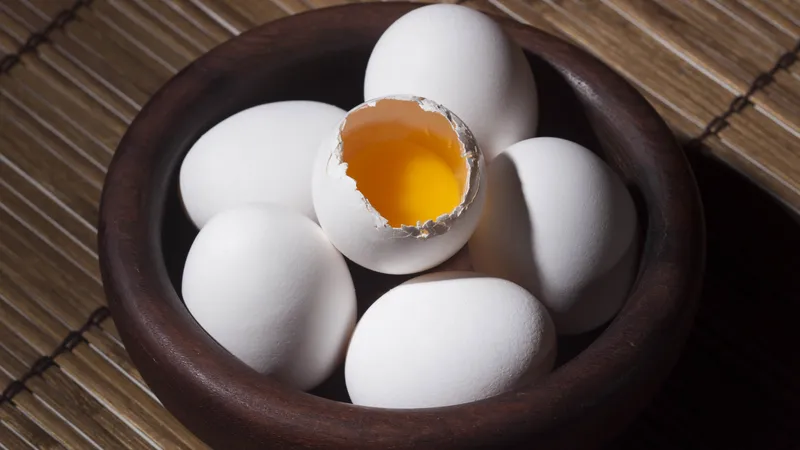
- Eggs. Quick, versatile and easy to cook in bulk. Egg yolks also contain a little vitamin D; see vitamin D in Qatar.
- Chicken thighs and whole chickens are worth comparing against breast fillets on the unit price.
- Tinned tuna and sardines help you reach the two-fish-portions-a-week target without buying fresh fish every time; sardines count as oily fish. Our EPA omega-3 guide covers what oily fish provides.
- Plain yoghurt and laban for breakfasts, marinades and raita.
Carbohydrates
- Rice in larger bags, ideally mixing in some brown rice.
- Oats — one of the cheapest high-fibre breakfasts going.
- Wholemeal flatbreads and khubz, which are sold fresh everywhere.
- Potatoes and sweet potatoes, which keep reasonably well.
- Bulgur and whole-wheat pasta for fast, filling bases.
Vegetables and fruit
- Frozen vegetables (peas, spinach, mixed veg, okra) count towards your five a day and do not wilt in a hot flat.
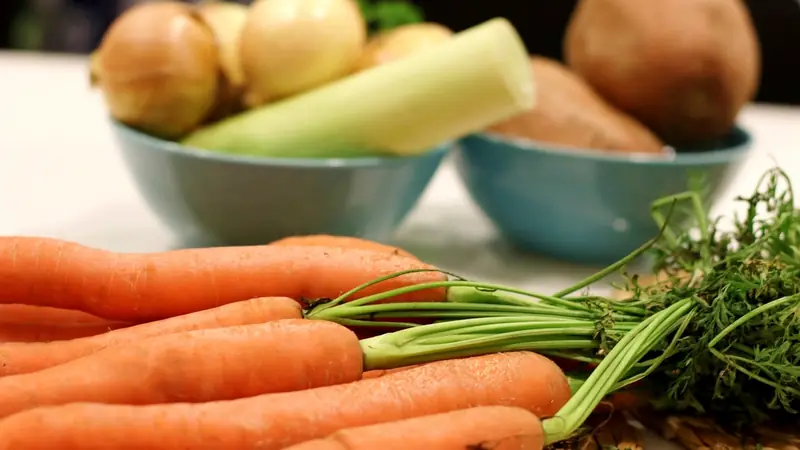
- Onions, garlic, carrots and cabbage are hardy, cheap and form the base of most batch dishes.
- Bananas, apples and oranges for snacks; dates in sensible portions.
- Tinned tomatoes for sauces and stews.
Local and seasonal produce
Buying local in Qatar is easier than many newcomers expect, especially from late autumn to spring.
Mahaseel. Mahaseel, a company wholly owned by Hassad Food, was set up in 2018 to market local farmers’ produce. By early 2023 it reported serving more than 400 local farms and selling through around 100 outlets in Qatar. Look for local-origin labels on the vegetable shelves of your usual supermarket.
The local produce yards. The Ministry of Municipality runs markets where farms sell directly to shoppers. Last season (2025/26), which opened in November 2025, QNA reported seasonal yards in Al Khor, Al Thakhira, Al Wakrah, Al Shamal and Al Sheehaniya, open Thursday to Saturday from 07:00 to 15:00, with more than 100 Qatari farms selling seasonal vegetables, honey and dates. The Al Mazrouah yard at Umm Salal Central Market operates all year. Dates and hours change from season to season, and the ministry usually announces each new season in early November, so check for the 2026/27 announcement before you drive out.
Reading labels in 30 seconds
Front-of-pack claims (“light”, “natural”, “high protein”) tell you little. Turn the pack over. The NHS guide to food labels gives simple per-100g thresholds:
| Per 100g | High | Low |
|---|---|---|
| Total fat | more than 17.5g | 3g or less |
| Saturated fat | more than 5g | 1.5g or less |
| Sugars | more than 22.5g | 5g or less |
| Salt | more than 1.5g | 0.3g or less |
Two more quick checks:
- Ingredients are listed by weight, heaviest first. If sugar, oil or cream appears in the first few, that tells you most of what you need to know.
- Traffic-light labels, where present, are a shortcut: mostly green is a better everyday choice, and any red means eat it less often.
Label layouts vary between brands and countries of origin, so get used to finding the “per 100g” column — it makes different products directly comparable. Salt is worth watching in stock cubes, sauces, pickles, cheese and processed meats.
Batch cooking safely in the heat
Cooking two or three big batches a week is the biggest money-saver here. It is also where hot weather raises the stakes. Sidra Medicine’s food-safety guidance notes that Qatar’s hot climate can increase the risk of food spoilage and foodborne illness, and defines the “danger zone” as 5°C to 60°C.
The rules that matter
- Get shopping home fast. The CDC says perishable food should be refrigerated within 2 hours, or within 1 hour if it has been somewhere above 90°F (about 32°C), such as a hot car. In a Doha summer a parked car is far hotter than that, so make the supermarket your last stop and take an insulated bag.
- Cool cooked food quickly. UK Food Standards Agency guidance says to get cooked food into the fridge within one to two hours, dividing it into smaller portions so it cools faster. In a warm kitchen, aim for the shorter end.
- Keep the fridge at 0–5°C and the freezer at about -18°C. A cheap fridge thermometer is worth having when the kitchen is hot and the door opens often.
- Eat leftovers within 48 hours, or freeze them.
- Treat rice separately. The FSA’s home food fact checker says to chill leftover rice ideally within an hour, not to let it cool in the pot or rice cooker, to eat it within 24 hours, and never to reheat it more than once.
- Reheat until steaming hot all the way through. The CDC gives 165°F (74°C) as the safe internal temperature for leftovers and casseroles.
- Defrost in the fridge, never on the counter.
Batch-cooking plan
Cook on two days — say Friday and Tuesday — so nothing needs to last longer than two days in the fridge. Portion the rest straight into the freezer.
A sample week: shopping list and meals
This is a template for one adult; scale it up for a household. Swap items for whatever is on offer or in season.
Shopping list
- Protein: 2 trays of eggs, 1kg chicken thighs, 500g dry red lentils, 2 tins chickpeas (no added salt), 2 tins sardines or tuna, 1kg plain yoghurt
- Carbs: 1kg oats, 2kg rice (or 1kg white and 1kg brown), wholemeal khubz, 1kg potatoes or sweet potatoes, 500g bulgur
- Veg: onions, garlic, carrots, cabbage, tomatoes, cucumbers, a bag of frozen spinach, a bag of frozen mixed veg, 2 tins chopped tomatoes
- Fruit: bananas, apples or oranges, a small pack of dates
- Flavour: cumin, turmeric, chilli, lemons, olive or vegetable oil
Simple meal ideas
- Breakfasts: overnight oats with yoghurt and banana (made the night before, kept in the fridge); eggs with khubz, tomato and cucumber.
- Batch 1 (Friday): red lentil and spinach dal; chicken thigh tray-bake with potatoes, onions and carrots. Freeze half the dal in portions.
- Batch 2 (Tuesday): chickpea and tomato stew; bulgur salad with cucumber, tomato, lemon and herbs (keep the dressing separate).
- Quick lunches: sardines or tuna with rice and a cabbage-and-carrot slaw; leftover stew in a wrap.
- Snacks: fruit, yoghurt, a couple of dates, boiled eggs.
Cook rice fresh in small amounts rather than in a big batch — it is the leftover with the tightest safety window.
When to talk to your doctor
See your doctor or a registered dietitian before making big changes to how you eat if you have kidney disease, diabetes or another long-term condition, take regular medicines, follow a medically prescribed diet, have food allergies, or are pregnant. Changes that look harmless, such as eating more pulses, more potassium-rich vegetables or less salt, can matter for some of these conditions. Your family doctor at your PHCC health centre can advise you and, where needed, refer you to a dietitian.
Practical takeaways
- Compare ten staples, not your whole basket, across two or three chains, and check unit prices in-store and in each chain’s app.
- Build meals around pulses, eggs, oats, rice and frozen veg — cheap, filling and in line with Qatar’s six-food-group guidelines.
- Buy local in the cooler months from supermarkets stocking local produce or the ministry’s produce yards.
- Read the per-100g column for fat, saturated fat, sugar and salt.
- Respect the heat: supermarket last, insulated bag, cooked food in the fridge within 1 to 2 hours (aim for 1), leftovers eaten within 48 hours, rice chilled fast, eaten within 24 hours and reheated only once.
- Drink plenty of water — see our guide to hydration and electrolytes in a hot climate.
Pair this with our beginner strength plan, and browse more in nutrition.
Frequently asked questions
Which supermarket in Doha is cheapest for healthy food?
There is no single answer, because prices vary by branch, week and promotion. Compare the same staples across two or three chains in-store and in each chain's app, and buy your basics wherever they are cheapest that week.
Where can I buy local Qatari vegetables?
Many supermarkets stock local produce, and Hassad Food's marketing arm Mahaseel supplies local farms' vegetables to outlets around the country. In the cooler months the Ministry of Municipality also runs local produce yards, and the Al Mazrouah yard at Umm Salal Central Market opens all year.
How long can cooked food sit out in Qatar's heat?
Not long. Food-safety agencies say perishable food should be refrigerated within 2 hours, or within 1 hour if it has been somewhere hotter than about 32°C, such as a parked car. In a Doha summer, aim to get food into the fridge as quickly as you can.
How long do batch-cooked meals keep in the fridge?
UK food-safety guidance says to eat leftovers within 48 hours or freeze them. Cooked rice is stricter: chill it within about an hour and eat it within 24 hours.
Does Qatar have official dietary guidelines?
Yes. The Qatar Dietary Guidelines, endorsed by the Ministry of Public Health, advise eating from six food groups, limiting sugar, salt and fat, drinking plenty of water and preparing food safely. In 2025 the ministry added guidelines for mothers and young children.
Sources
- FAO – Food-based dietary guidelines: Qatar
- Gulf Times – MoPH launches dietary guidelines for mother and child
- NHS – 8 tips for healthy eating
- NHS – How to read food labels
- British Heart Foundation – Pulses: what they are and why they're good for you
- CDC – Four steps to food safety
- GOV.UK / Food Standards Agency – How to chill, freeze and defrost food safely
- GOV.UK / Food Standards Agency – Home food fact checker
- Sidra Medicine – Food safety
- QNA – Ministry of Municipality: 2025/2026 local agricultural produce market season begins
- QNA – 60m kgs of vegetables from 400 local farms marketed by Hassad Food over past 3 years
- Mahaseel for Marketing and Agri-Services
- Hassad Food
- Gulf Times – Mahaseel vegetables arrive at Al Meera
- Lulu Hypermarket Qatar – online store
- Carrefour Qatar
- Al Bawaba – Carrefour Qatar revamps its mobile application
- Al Meera
- Monoprix Qatar
- Family Food Centre (Family Qatar)
- Safari Hypermarket